
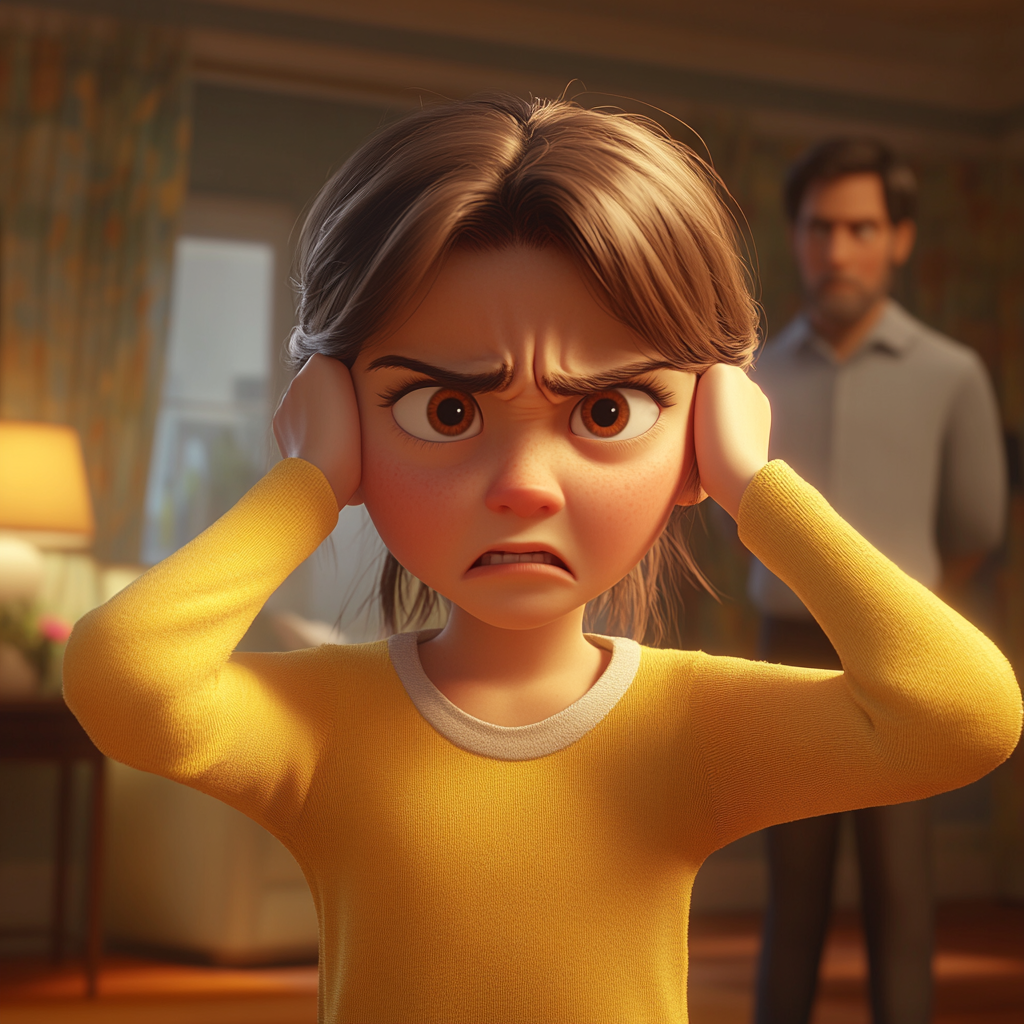
What to Do When Your Child Has Big Emotions (Step-by-Step Guide)
Big emotions can appear suddenly.
One moment your child is calm, and the next they are overwhelmed — crying, angry, or completely shut down. For many parents, this is one of the most difficult situations to handle.
The most important thing to understand is this:
Big emotions are not a behavior problem.
They are a signal.
When a child experiences a strong feeling, their brain reacts faster than they can think. Their body takes over — heart rate increases, tension builds, and words become harder to find. In that moment, your child is not choosing how to react. They simply don’t yet have the tools to manage what they feel.
The goal is not to stop the emotion, but to guide your child through it.
Start by staying calm. Your reaction sets the tone. Instead of correcting the behavior immediately, acknowledge the feeling:
“I can see this feels really big right now.” Then help your child calm their body with simple actions like slow breathing, sitting quietly, or gentle movement. Only after the emotion settles should you talk about what happened.
Even when handled well, many children still don’t fully understand what they feel. Children need to recognize emotions, not just react to them. In Emotions & Me, big feelings are explained in a simple and relatable way, helping children understand what is happening inside them, not just what to do.
When a child understands the feeling, they do not just calm down — they begin to manage it.
Explore The Books