
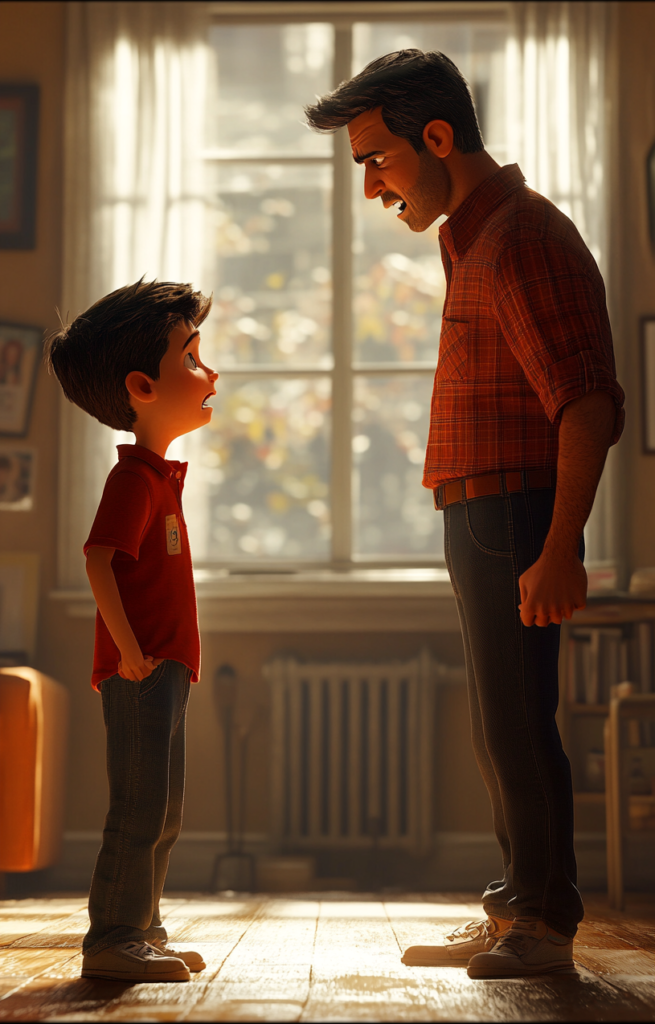
How to Help Your Child Calm Down Without Yelling
Big emotions don’t wait. They come quickly, and when they do, children don’t pause — they react.
The instinct is often to raise your voice to stop the moment and bring things back under control as fast as possible. But for a child, intensity doesn’t calm intensity. It often makes it grow.
The first step is not to fix the situation. It’s to slow it down. Take a moment before responding. Even a few seconds can change the tone of what comes next.
Instead of reacting to the behavior, try to notice the feeling underneath. You might say, simply: “I see this is a lot right now.” Not to solve it, just to acknowledge it.
When a child feels seen, something begins to shift. The emotion doesn’t disappear, but it becomes less overwhelming.
Avoid saying too much in that moment. When emotions are high, explanations don’t land. They add noise instead of clarity. What helps more is presence — staying nearby, keeping your tone steady, and letting the moment settle.
If needed, offer something small: “Let’s sit together for a minute” or “Let’s take one breath.” These are not solutions. They are ways to create space.
Once things are calmer, then guidance can come. Not before.
Over time, your child learns something important: that strong feelings don’t need to be met with stronger reactions. They learn that calm is possible — and that they don’t have to find it alone.
Explore The Books